
Blog
Rice Milk Soap: What It Genuinely Does for Your Skin (And What No Soap Can Do)

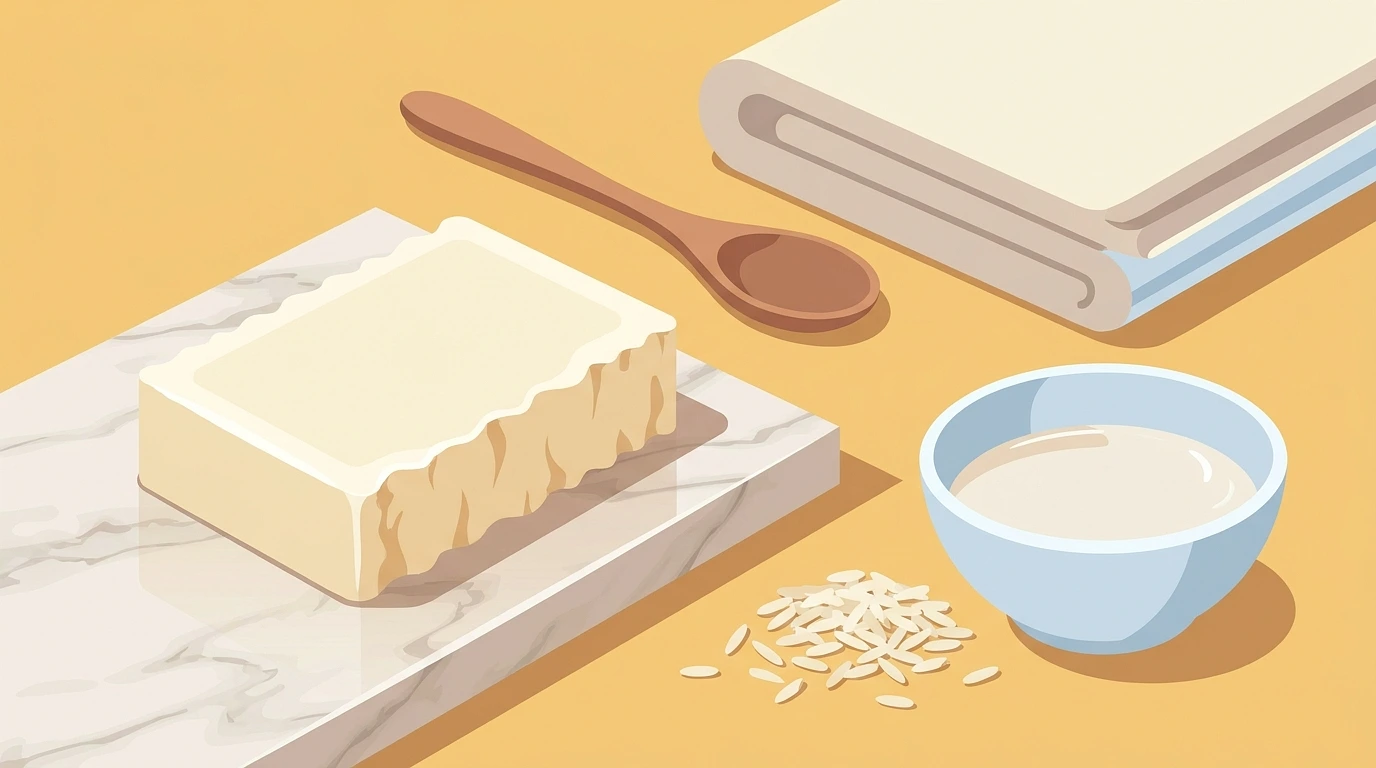
Rice milk soap is a decent, gentle cleanser with genuinely useful ingredients. Use it as a nice cleansing step, expect softer and healthier-looking skin over some weeks, and be very suspicious of anyone promising it will cure your acne or change your complexion.
Good skin comes from a simple, consistent routine cleanse, moisturise, sunscreen plus proper treatment when there is a real problem. Rice has earned its small place in that routine. It has not earned the miracles being claimed on its behalf.
This article is for general information and is not a substitute for medical advice. For acne, pigmentation or any persistent skin concern, please consult a qualified dermatologist. You can also read the American Academy of Dermatology’s guidance on acne for reliable background.
Every Indian kitchen throws away the one thing our grandmothers never wasted the starchy white water left after washing rice. In many homes that chawal ka paani went straight onto the face or into the hair. Today the same idea is sold in a wrapper as rice milk soap.
Rice milk soap is a gentle cleanser, and the rice in it is not just decoration. It carries real compounds allantoin, ferulic acid, niacin and amino acids that calm irritation, help skin hold moisture, and slowly improve dullness and dark spots over about four to six weeks of daily use. What it will not do is cure acne or change your natural complexion, because a cleanser stays on your face for barely thirty seconds before it is washed away.
So treat it as one good step in your routine, not as a treatment. Below is what is actually inside it, the correct way to use it, and how to recognise the false claims being made in its name.
What Is Actually Inside Rice Water
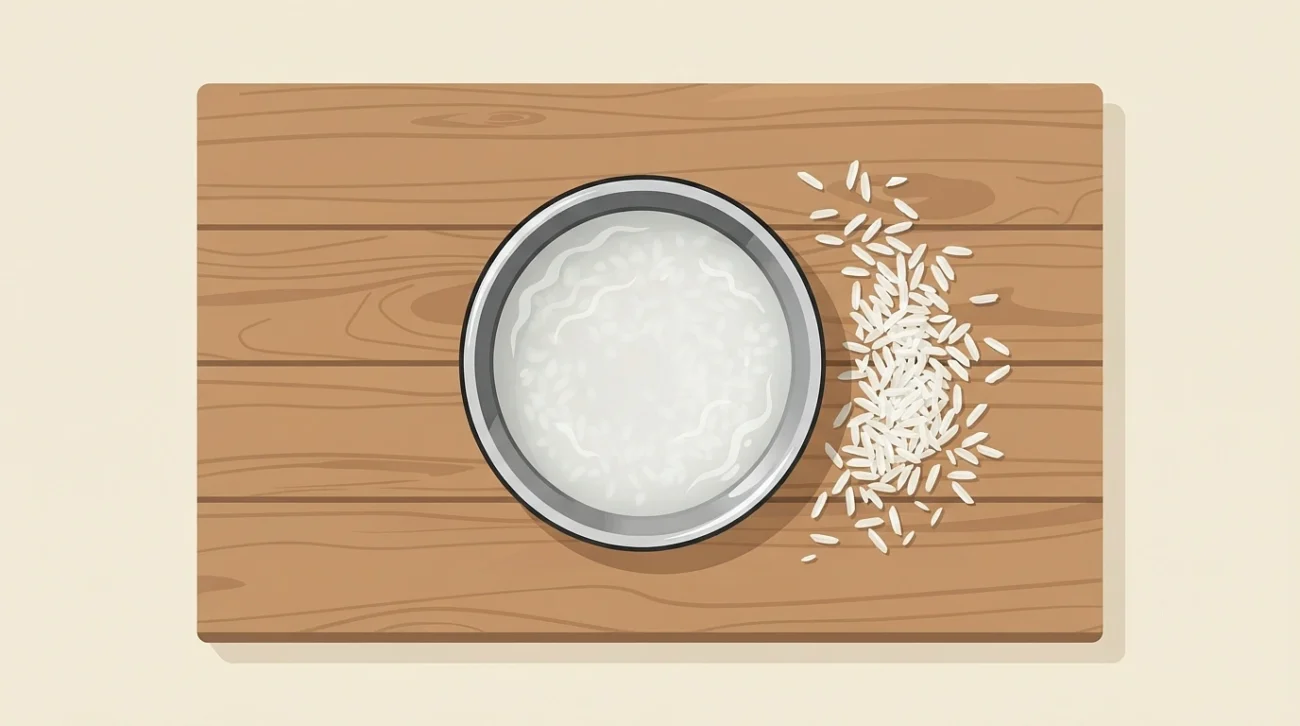
This is not just folk wisdom. When researchers looked at what rice water contains, they found compounds that dermatologists already use and respect:
- Allantoin – soothing and calming. This is why rice-based products feel comfortable on irritated or post-acne skin.
- Ferulic acid – a strong antioxidant that helps protect skin from pollution and UV damage. If you travel daily in Delhi, Mumbai or any Indian city traffic, this matters.
- Inositol and amino acids – these support the skin barrier and help skin hold moisture.
- Niacin (Vitamin B3) – related to niacinamide, which dermatologists commonly recommend for uneven tone and dark spots.
- Starches – these form a light film on the surface that reduces water loss, which is why skin feels soft after use.
These are genuine, measurable compounds. That is the strong part of the story.
Now The Honest Part: What Rice Milk Soap Can And Cannot Do
What it can reasonably do:
- Cleanse gently without stripping your skin, which many harsh soaps do.
- Leave skin feeling softer and better hydrated.
- Calm mild irritation and general dullness.
- Support a more even tone gradually, over weeks not days.
What it cannot do:
- It cannot cure acne. Rice water has mild anti-inflammatory properties, but a soap sits on your face for thirty seconds and washes off. Moderate to severe acne is a medical condition. It needs proper treatment, not a bar of soap.
- It cannot change your natural complexion. Let us be very clear, because the “fairness” business in our country has misled people for decades. No soap will make you a different colour, and no soap should try to. What good ingredients can do is reduce dullness, fade some dark spots over time, and give you healthier, more even-looking skin. That is glow. That is not fairness, and the two are not the same thing.
- It cannot replace sunscreen or moisturiser. A cleanser is one step, not a routine.
A soap that promises to clear pimples, whiten your skin and remove scars is promising things a soap physically cannot deliver in the time it spends on your face.
How To Actually Use It, If You Want Results
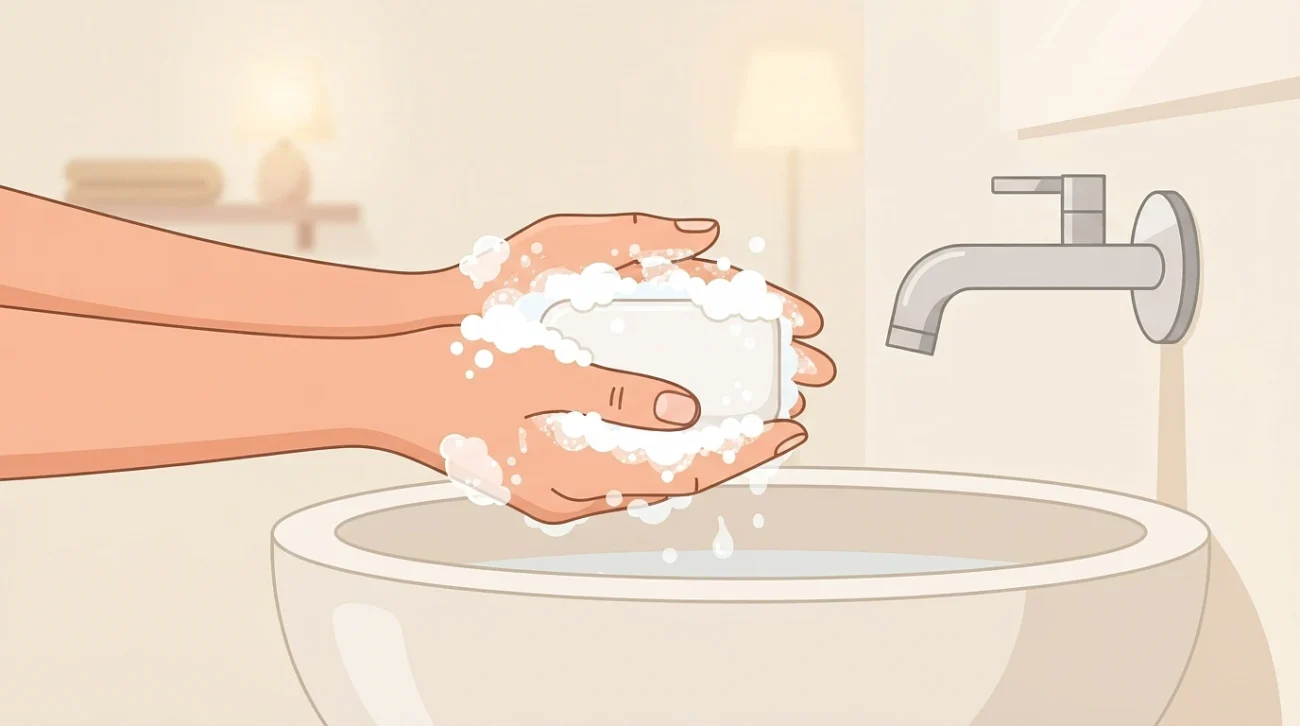
If you have bought it or plan to, use it properly:
- Wet your face with lukewarm water. Not hot hot water strips the skin, especially in winter.
- Lather the soap in your palms first, then apply the foam to your face. Do not rub the bar directly on your skin.
- Massage gently for about 20–30 seconds. No scrubbing. Scrubbing an active pimple makes it worse and can leave a mark that stays for months.
- Rinse well and pat dry with a clean towel not the family towel hanging in the bathroom.
- Follow with a moisturiser, and sunscreen in the morning. Without sunscreen, any work you do on dark spots is being undone every day.
- Give it 4 to 6 weeks. Skin cell turnover takes time. Anyone promising results in three days is selling, not advising.
Also, do a small patch test behind your ear or on your jawline for two days first. Even gentle products can disagree with sensitive skin.
Please Learn To Read Those Before-And-After Photos
This is the most useful thing in this article, so I will be direct.
You have seen those side-by-side photos severe acne on the left, flawless skin on the right used to sell soaps, creams and home remedies. Before you believe one, ask:
- Is the lighting the same? Harsh overhead light exaggerates every bump. Soft light hides them. Many “results” are just better lighting.
- Is it the same angle and same makeup status? One photo bare-faced, one with foundation, is not a result.
- Is there a watermark from some clinic or doctor? Then that photo is very likely from an actual medical treatment prescription medication or a clinical procedure and someone has simply lifted it to sell a soap.
- Does the claim match the product? Skin like that does not clear from cleansing. It clears from treatment.
If a seller uses a photo of medical results to sell a cosmetic product, that tells you everything about their honesty. Walk away.
When You Should Stop Experimenting And See A Dermatologist
Home remedies and gentle products are perfectly fine for mild concerns. But please book an appointment if:
- Your pimples are deep, painful, or leaving marks and scars.
- Breakouts are getting worse despite months of trying different products.
- You have sudden severe breakouts along with other changes in your body.
- You are being tempted by strong “fairness” creams many sold in Indian markets have contained steroids, mercury or high-dose hydroquinone, which can permanently damage skin
Acne that scars deserves real treatment, and treating it early is what prevents marks you will otherwise spend years trying to fade. There is genuinely no shame in seeing a doctor for skin. It is a medical issue like any other.
If you would like your skin assessed properly rather than guessing from Instagram, our dermatologists at Desi49 can look at what is actually happening with your skin and suggest treatment that suits it.