Blog
You Added One New Product and Started Breaking Out – Stop Believing These 3 Myths First

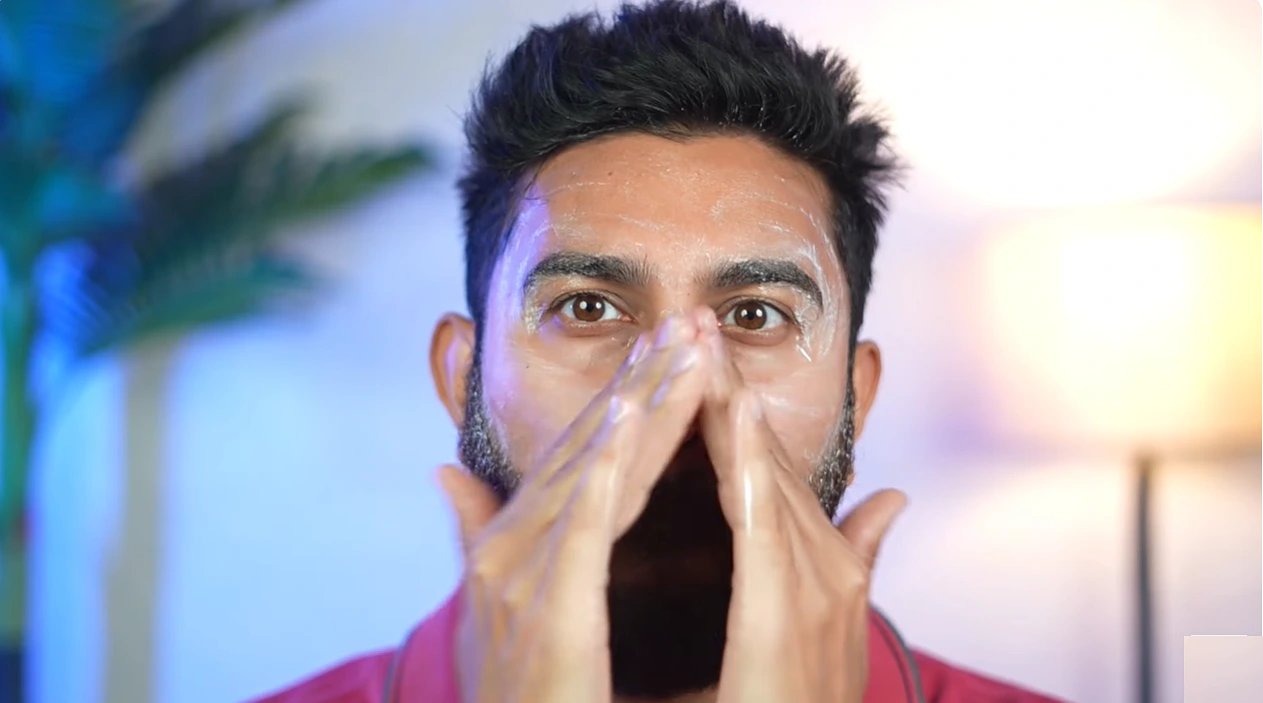
So you’ve got a good routine. A gentle cleanser, a hydrating serum, a barrier cream — the kind of calm, skin-loving setup that should keep things smooth. And yet here you are in your mid-20s, breaking out more than you did at sixteen, staring in the mirror going “but I’m doing everything right?”
I get it. It feels personal, like your skin has quietly betrayed you. But before you panic-buy six new products tonight, let’s clear out the three things you’re probably believing that aren’t true — because every one of them will send you in the wrong direction.
Myth #1: “My Skin Has Just Turned Bad In My 20s”
It hasn’t. Skin doesn’t randomly decide to ruin your life on your 25th birthday. When clear skin starts breaking out, it’s almost never your skin “going bad” — it’s your skin reacting to something. A new product, a hotter season, a different habit. The breakout is a message, not a verdict. And messages can be answered once you know what they’re responding to.
So drop the “my skin is just like this now” story. It’s not earned, and it’ll stop you looking for the actual trigger.
Myth #2: “I Need To Scrap My Routine And Start Over”
Please don’t. This is the most expensive, most skin-wrecking mistake people make when they break out — they nuke a perfectly good routine and pile on a stack of new actives, and two weeks later they’ve got more problems: redness, peeling, irritation, the works.
Your gentle, hydrating routine isn’t the villain here. For dry, reactive skin it’s a genuinely good base. The fix is almost never “throw it all out.” It’s “find the one thing that changed and deal with that.” Keep the foundation. Change one variable.
Myth #3: “Washing More = Cleaner = Clearer”
This one feels logical, which is why it traps so many people. Hotter weather, feeling sweaty and greasy, so you wash more — makes sense, right? Except over-washing dry skin strips it, the skin panics and can break out more, and you’ve made things worse while feeling productive.
Here's the twist that actually matters: the problem usually isn't that you're not washing enough. It's what you're not managing to remove — and that's where the real culprit lives.
Okay, So What’s Actually Going On?
With the myths cleared, the real cause is usually embarrassingly simple. Think about what’s genuinely new:
- You added a new sunscreen recently. That’s the freshest variable, and a new SPF is one of the most common quiet causes of a breakout — it’s a thick product you wear all day, full of filters and emollients your skin’s never met. “Great for someone else” doesn’t mean “great for you.”
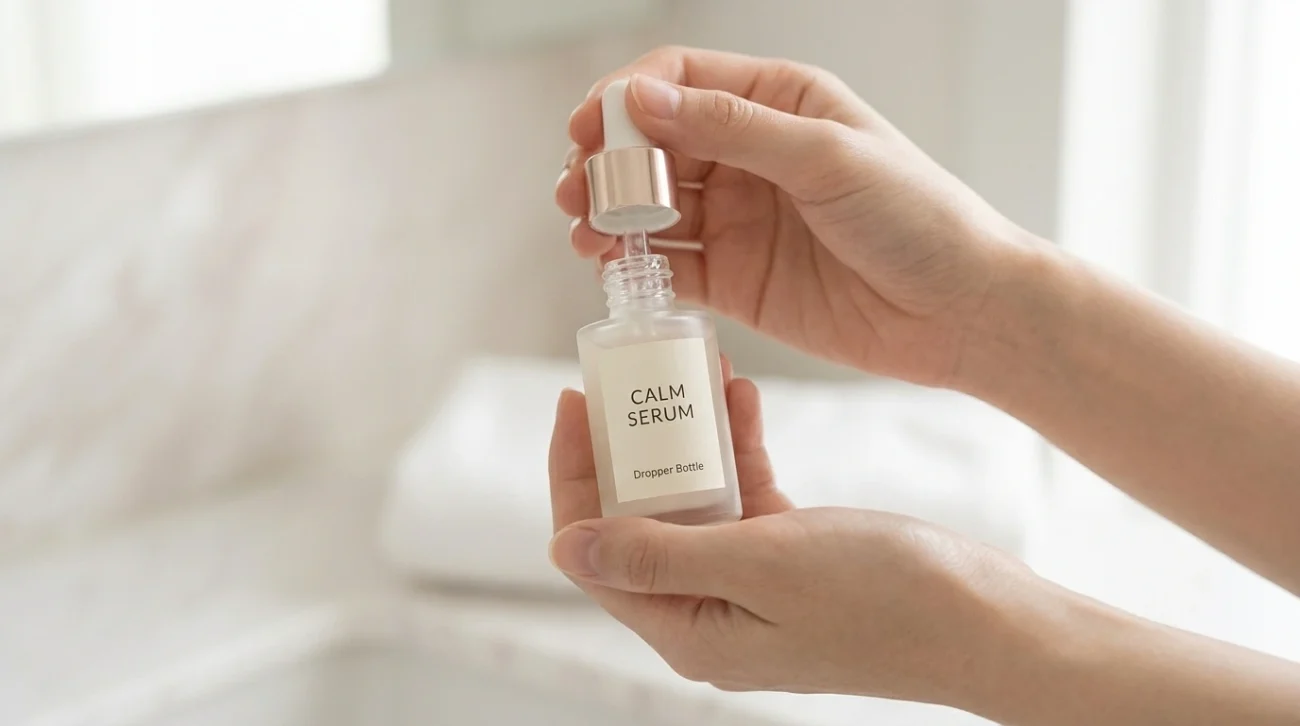
- You’re not fully removing it. A mild foam cleanser isn’t built to lift a water-resistant sunscreen off your face. Leftover SPF sitting there all evening is a classic recipe for clogged pores and small bumps.
Put those together and you don’t have a mystery — you have a to-do list.
The Calm Fix (No Panic, No 10-Step Haul)
Do these in order and change one thing at a time, so you can actually tell what’s working:
- Add a nighttime double cleanse. An oil or balm cleanser first to melt off the sunscreen, then your usual foam cleanser. This is the single most likely fix, and it adds just one step. Give it 2–3 weeks.

- Put the new sunscreen on trial. If spots started after you switched, pause it for a week or two and go back to an SPF you know was fine. Skin calms down? You’ve found it. (Don’t stop wearing sunscreen altogether — just swap back to a known-good one.)
- If you add an active, add ONE, gently. A low-strength salicylic acid (BHA) a couple of nights a week is the classic option for clogged-pore bumps. On its own. Patch-tested first.
- Keep your barrier care. The serum and ceramide cream are what stop dry skin overreacting while you sort the rest. They stay.
Quick Answers To What You Actually Asked
“Recommend me acne products.” Start with the double cleanse before any acne product — fix the cause first. If you still want a treatment, a gentle BHA is the safest entry point for this kind of breakout. Skip harsh scrubs and high-strength actives; dry skin hates them.
“I need a stronger cleanser to remove sunscreen.” You don’t need a stronger one — you need a different first step. An oil or balm cleanser removes SPF far better and far more gently than a harsher foaming wash ever could.
“Should I start anti-aging at my age?” Good news: the most powerful anti-ageing step that exists is the sunscreen you’re already wearing daily. Beyond that there’s no rush — once your skin’s calm, a gentle retinoid is the well-proven next move, but add it after the breakouts settle, never during, and start low and slow.
When To Stop DIY-Ing And See A Pro
Self-troubleshooting is perfect for mild, occasional breakouts. But see a dermatologist if the spots are getting worse instead of better, are deep, painful or cystic, are leaving marks, or just won’t budge after a few honest weeks. Persistent acne deserves real treatment that no routine tweak can match — and there’s zero shame in booking that appointment.
Save This If You Take Nothing Else
- Your skin didn’t “go bad” — it’s reacting to a change.
- Don’t scrap a good routine. Change one variable.
- The likely culprit: a new sunscreen you’re not fully removing.
- The likely fix: a nighttime double cleanse (oil/balm cleanser, then foam).
- Add actives one at a time, patch-tested, never in a panic.
- Worse, painful, or stubborn? See a dermatologist.
This is general guidance, not medical advice. Skin is personal — when in doubt, a dermatologist is always the safest call.